


Subtotal $0.00

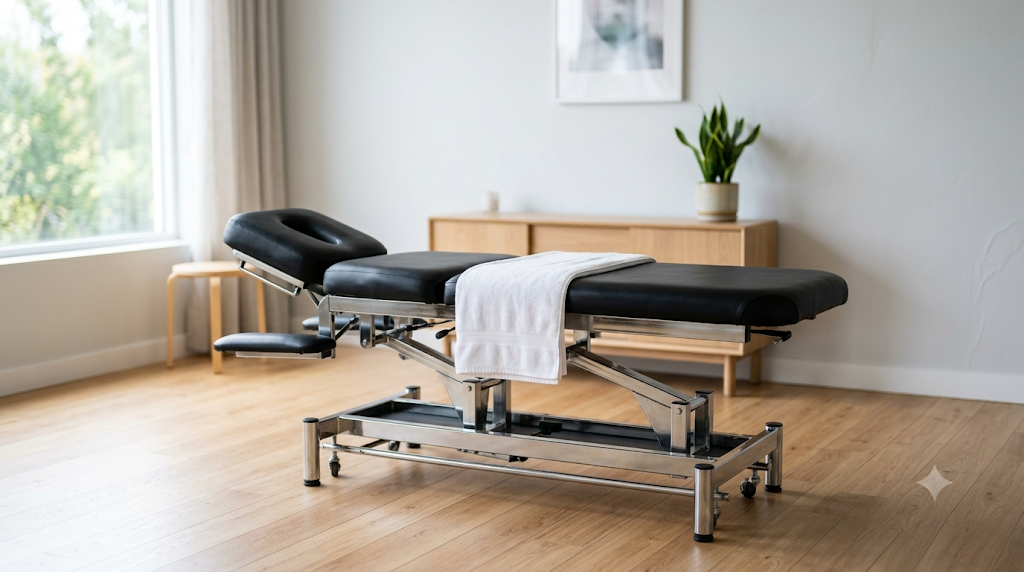
Drug-free pain care treats pain by fixing how the body moves instead of covering up the pain signal. It works through three actions: restoring joint motion, releasing tight muscle and soft tissue, and rebuilding strength so the pain does not return. For back pain, neck pain, and most headaches, this is the approach national guidelines recommend trying first. The American College of Physicians places heat, massage, spinal manipulation, and acupuncture ahead of medication for new low back pain. At HealthQuest Longevity, that care usually combines chiropractic adjustments, soft tissue therapy, massage, and simple home exercise. Most patients feel a change within three to six weeks. The rest of this article explains what the care includes, how it reduces pain, which conditions respond best, how long it takes, and how safe it is.
What Drug-Free Pain Care Includes
Drug-free care is not one treatment. It is a set of methods used together, matched to what your exam shows.
A typical plan in a Libertyville clinic may include:
- Chiropractic adjustments to restore normal motion in restricted spinal and nearby joints
- Soft tissue therapy such as Active Release Technique, cupping, or trigger point work
- Massage therapy to lower muscle tension and improve circulation
- Rehabilitation exercise to rebuild strength and movement control
- Heat, ice, and kinesiotaping for relief between visits
- Acupuncture, which Dr. David Jolly is certified in, for pain and muscle tension
- Posture and workstation changes to remove the daily strain feeding the problem
Each piece has research behind it.
| Method | What it targets | What the evidence shows | Source named in the research |
| Spinal manipulation | Restricted joints, spinal movement | Recommended as a first option for new low back pain and as an option for long-term low back pain | American College of Physicians guideline published in Annals of Internal Medicine, 2017 |
| Massage therapy | Tight muscle and soft tissue, circulation | Short-term pain improvement in both new and long-term low back pain | Review of 25 studies with 3,096 participants, summarized by the National Center for Complementary and Integrative Health |
| Exercise and rehab | Strength, endurance, movement control | Improved pain, function, or both for at least one month | Agency for Healthcare Research and Quality review, 2018 |
| Heat | Muscle guarding, early stiffness | Heat wraps produced moderate improvement in pain and disability compared with placebo | American College of Physicians guideline, 2017 |
| Acupuncture | Pain signaling, muscle tension | Moderate pain improvement for up to three months compared with sham treatment | American College of Physicians guideline, 2017 |
How Drug-Free Care Actually Reduces Pain
Pills lower the volume on the pain signal. Hands-on care works on what is producing the signal. That difference explains why relief from drug-free care tends to build rather than wear off.
Restoring Joint Movement
When a spinal joint stops moving properly, the muscles around it tighten to protect it. Nerves nearby can become irritated. An adjustment restores motion at that joint, which reduces the protective muscle guarding and the nerve irritation that comes with it. This is why many patients notice movement improve before pain fully settles.
Releasing Muscle and Soft Tissue Tension
Tight muscle pulls joints back into the position that caused the problem. Soft tissue work and massage therapy release that tension so the adjustment holds longer. Massage also increases circulation to the treated area, which supports recovery between visits.
Rebuilding Strength So Pain Does Not Return
This is the part most people skip, and it is the part that prevents repeat episodes. Two or three targeted exercises rebuild the strength and control that keep the joint stable. The 2018 review from the Agency for Healthcare Research and Quality found that exercise was among the approaches that improved pain or function for at least a month, and that combined care generally outperformed single treatments used alone.
Which Conditions Respond Best to Drug-Free Care
Drug-free care fits mechanical pain best. Mechanical pain comes from joints, muscles, discs, and nerves rather than from disease.
| Condition | What care usually involves | Evidence highlight |
| Low back pain | Adjustments, soft tissue work, core and hip exercise | Hands-on care recommended before medication for new low back pain by the American College of Physicians |
| Neck pain and desk-related strain | Neck and upper back adjustments, massage, posture changes | A review of four United States studies with 519 participants found massage relieved neck pain when sessions were long enough and frequent enough, per the National Center for Complementary and Integrative Health |
| Sciatica and leg pain | Adjustments, nerve mobility work, graded exercise | Addressed through the sciatica and back pain relief approach |
| Tension and neck-related headaches | Upper neck treatment, muscle release, posture retraining | Recent clinical guideline reviews favor spinal manipulation for tension-type and neck-related headaches |
| Migraine | Neck treatment, trigger reduction, stress management | A meta-analysis of six trials with 677 people published in Headache in 2019 found spinal manipulation reduced migraine days and pain intensity with a small effect, which the authors called preliminary |
| Sports and overuse injuries | Soft tissue therapy, taping, loading program | Supported by an athlete recovery plan built around return to activity |
| Joint pain in shoulders, hips, and knees | Joint and soft tissue work, strength progression | A 2017 review of seven trials with 352 participants found low to moderate quality evidence that massage improved arthritis pain and function compared with inactive treatment |
How Long Does Drug-Free Pain Relief Take to Work
Here is a realistic timeline for mechanical pain.
| Time frame | What usually happens |
| First visit | Assessment, first treatment, and often an immediate change in movement or pain |
| Weeks 1 to 2 | Pain becomes less frequent and less intense, and sleep often improves first |
| Weeks 3 to 6 | Most improvement appears here, matching the six-week window used in a 750-person trial published in JAMA Network Open in 2018 |
| Weeks 6 to 12 | Focus shifts to strength, posture, and preventing repeat episodes |
| Ongoing | Occasional visits for people with desk jobs, physical work, or old injuries |
Two things change that timeline. Pain that has been present for years takes longer than a new injury. And starting sooner works better. A systematic review published in PAIN Reports in 2026, covering two randomized trials and 18 cohort studies with more than six million participants, found the largest reductions in prescription opioid use among patients who began chiropractic care within the first 30 days of their pain starting.
Is Drug-Free Pain Care Safe
The safety profile is a large part of why patients choose it. According to the National Center for Complementary and Integrative Health, massage therapy carries few risks when performed by a trained practitioner. Side effects from spinal manipulation are usually mild and short-lived, such as temporary soreness, tiredness, or headache. In the 750-person military trial published in JAMA Network Open, no serious adverse events were reported.
One risk deserves plain mention. Manipulation of the neck has been linked to tears in the arteries of the neck. The available evidence suggests this is rare, and patients should be told about it. Sudden neck movement from sports, whiplash, or hard coughing has been linked to the same injury. Share your full history, including blood thinners, osteoporosis, and past neck injuries, so technique can be adjusted or avoided.
Does Drug-Free Care Replace Your Doctor
No. It works alongside medical care.
Do not stop a prescribed medication on your own. Talk with the doctor who prescribed it. Some pain also needs medical evaluation first, including back pain with fever, pain after a serious accident, unexplained weight loss, new back pain with a history of cancer, leg weakness that is getting worse, or loss of bladder or bowel control. Guidance published in American Family Physician lists these as warning signs that call for prompt medical attention.
HealthQuest Longevity operates under the supervision of a licensed medical physician and works in partnership with Yorktown Health, so patients who need lab testing or medical evaluation can be directed there.
What Happens at a First Visit in Libertyville
- History. What hurts, when it started, what helps, what makes it worse, and what you have already tried.
- Examination. Movement, strength, reflexes, and orthopedic testing to locate the source.
- Explanation. A plain description of what is happening and why.
- Treatment. Most patients are treated on the first visit unless testing suggests waiting.
- Plan. Expected number of visits, home exercises, and what progress should look like.
Bring your insurance card and a list of current medications. The clinic accepts Medicare, Medicare Advantage plans, Blue Cross Blue Shield, and United Healthcare, with cash pricing and package options for services outside a plan.
Final Thoughts
Drug-free pain care helps by changing the mechanics behind the pain. Adjustments restore joint motion, soft tissue work and massage release the muscle tension pulling on those joints, and exercise keeps the improvement in place. National guidelines support this order for most back pain, neck pain, and headaches, and the research shows better results when care starts early rather than after months of managing symptoms. Most patients see meaningful change within three to six weeks.
If pain has lasted more than a week or two, book an appointment with a chiropractor in Libertyville and start with an assessment rather than another refill.

Comments are closed